Home /Gas vs Electric Boilers: What Are Homeowners Choosing in 2025?
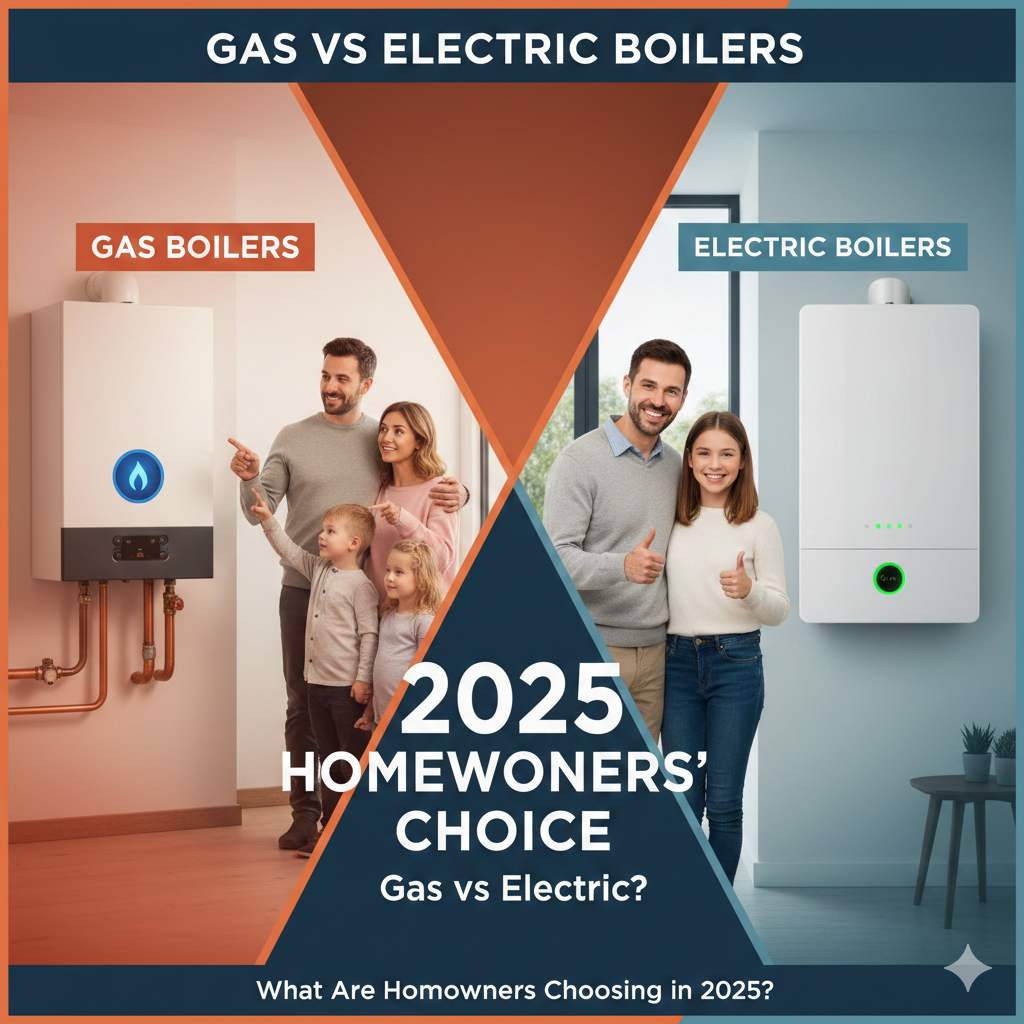
As energy costs and environmental concerns continue to shape homeowners’ decisions, the choice between gas and electric boilers has never been more important. With advancements in technology and changing regulations, 2025 sees a shift in how households approach heating solutions, especially for those considering new boiler installation Aylesbury and regular maintenance such as a gas boiler service.
In this blog, we’ll explore the differences between gas and electric boilers, the benefits and drawbacks of each, and why more homeowners are reevaluating their options this year.
Several factors influence boiler choices in 2025:
In areas like Aylesbury, where homeowners are planning upgrades or new boiler installation in Aylesbury, understanding the pros and cons of each system is essential.
For decades, gas boilers have been the backbone of UK home heating. They are familiar to most households, reliable, and typically offer powerful heating performance.
Gas boilers usually offer lower running costs than electric heaters, particularly if gas prices remain stable or competitive. Modern condensing gas boilers are also highly efficient.
Gas boilers can heat larger homes more quickly and consistently, making them suitable for families or properties with multiple bathrooms.
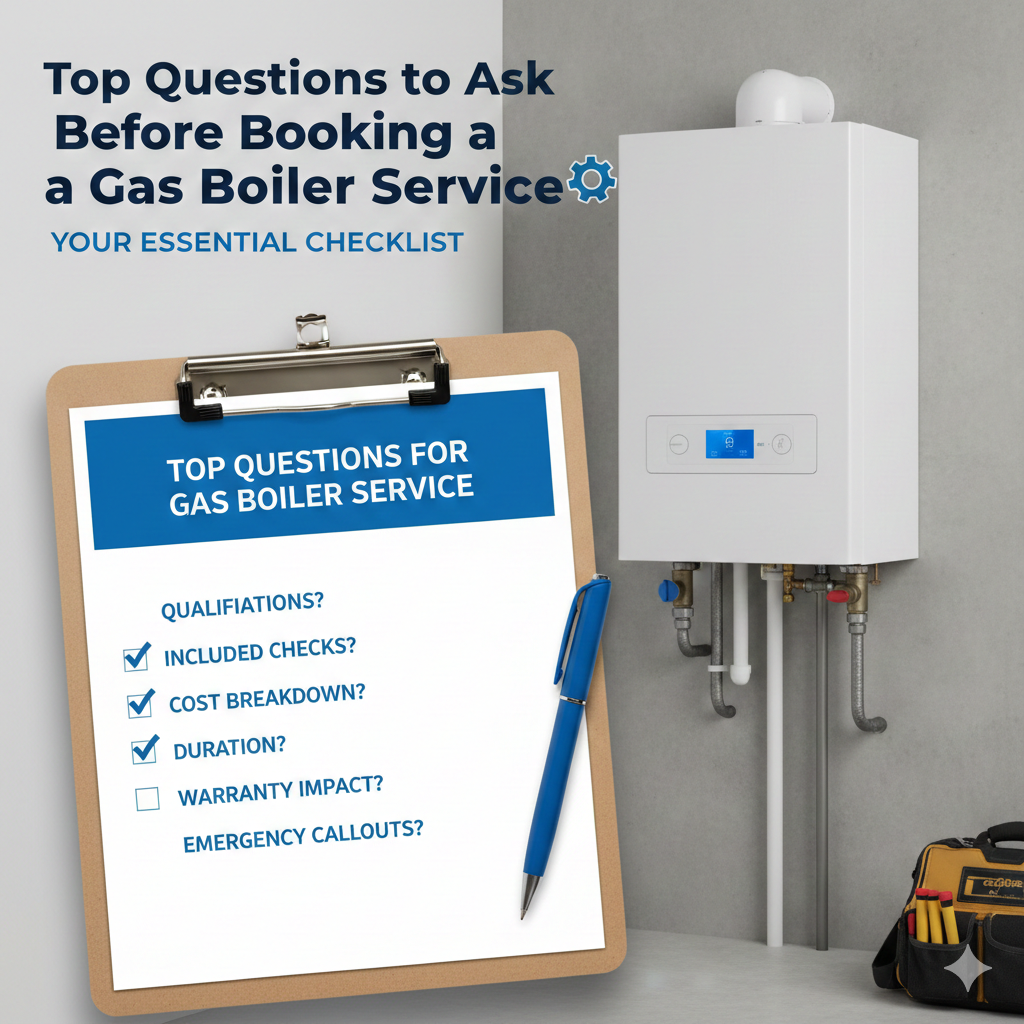
Professional services like gas boiler service and annual inspections are widely available. Local engineers can assess, maintain, and repair systems with relative ease.
While modern gas boilers are more efficient than older models, they still emit carbon dioxide. In 2025, there’s greater pressure to reduce household carbon footprints.
Homes without access to a mains gas connection may find gas boilers impractical.
Installing or replacing a gas boiler must be done by a qualified engineer. For homeowners opting for boiler installation, this means scheduling with certified professionals and ensuring compliance with safety standards.
Read More: How Regular Boiler Servicing Can Cut Your Energy Bills
Electric boilers are gaining attention as an eco-friendly alternative to traditional gas systems. They use electricity to heat water, which can then be used for central heating and hot water.
Electric boilers produce no emissions at the point of use. When powered by renewable electricity, they can significantly reduce a home’s overall carbon footprint.
Electric boilers are typically easier to install than gas counterparts. They don’t require flues or gas lines, and often suit smaller properties or homes without a gas connection.
These systems tend to be quieter and require less ongoing maintenance than gas boilers. Homeowners who prefer low-hassle heating may find this a major advantage.
Electricity can be more expensive per unit of energy compared to gas. This means higher running costs unless the home uses cheaper or renewable electricity tariffs.
Electric boilers may struggle to meet the demands of larger homes without supplemental systems.
Read More: How to Know If I Need a Boiler Replacement?
In 2025, there’s no one-size-fits-all answer. Many homeowners are choosing based on:
For many, gas boilers remain a reliable and cost-effective choice, especially when combined with regular maintenance like a gas boiler service to ensure efficiency and safety. However, electric boilers are increasingly attractive for homes without gas access, eco-conscious families, and those looking for simpler installation processes.
In Aylesbury and beyond, homeowners planning new boiler installation Aylesbury are now conducting more research and consultations before making their decision. Professional advice tailored to household needs is helping people find systems that balance efficiency, cost and environmental impact.
Yes. Electric boilers produce no on-site emissions, and when powered by renewable energy, they have a much smaller carbon footprint than gas boilers.
A gas boiler service should be conducted annually to maintain efficiency, safety and compliance with warranty terms.
Yes, but you should assess your heating needs and speak with a qualified installer to ensure the new system meets your home’s requirements.
Electric boilers often have lower installation costs due to simpler requirements, but running costs can be higher depending on electricity prices.
 Need Help? Call Now