Home /DIY Dripping Faucet Repair vs. Hiring a Professional Plumber
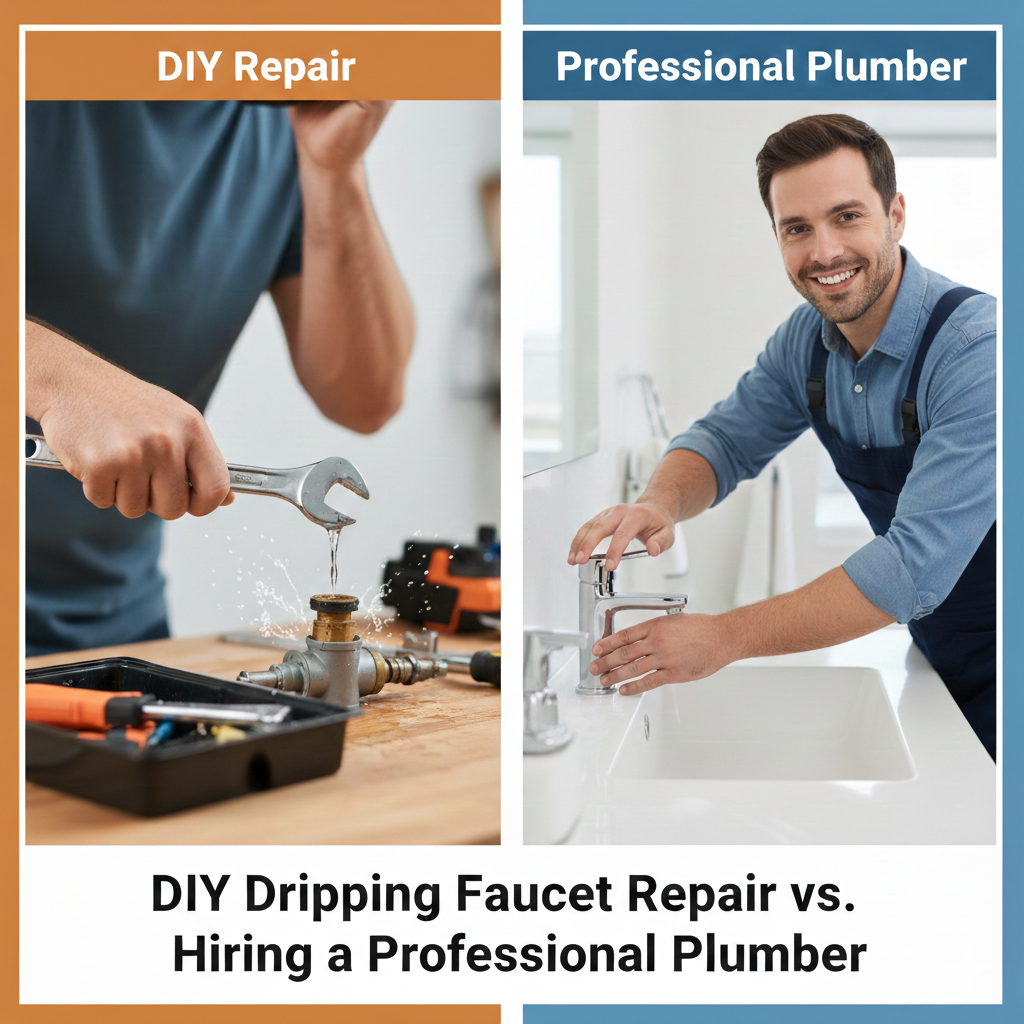
A dripping faucet may seem like a small problem, but it can waste a surprising amount of water and increase your monthly bills. When this happens, many homeowners feel unsure whether to fix it themselves or call a professional plumber. This guide explains both options in simple terms so you can make the best decision for your home.
DIY plumbing means handling small plumbing tasks on your own without hiring a professional. These usually include simple jobs such as tightening a loose tap, replacing a washer, or fixing a minor leak.
Many people choose DIY plumbing because it feels quick, affordable, and convenient. With basic tools and some knowledge, small maintenance tasks can often be managed at home.
DIY plumbing eliminates labor costs, which can make a noticeable difference for small repairs. You only pay for basic tools or replacement parts, such as washers or seals. Over time, this can help homeowners reduce maintenance expenses for minor issues.
You don’t have to wait for a plumber’s availability or schedule an appointment. This is especially helpful for problems like a dripping faucet or loose pipe connection that need immediate attention to prevent water waste.
Each repair helps you learn more about how your home’s plumbing system works. Over time, this knowledge can make you more confident and capable of handling future minor problems.
You can work on the repair whenever it fits your schedule—early in the morning, late at night, or on weekends—without depending on professional availability.
Fixing a problem yourself can be rewarding. Successfully completing a repair often boosts confidence and gives you a sense of pride in maintaining your home.
Improper installation or loose fittings can cause hidden leaks inside walls or under cabinets. These leaks may go unnoticed for weeks, leading to mold, wood rot, and structural damage.
Plumbers use specialized tools and have technical training that most homeowners don’t. Without this expertise, diagnosing the real cause of a problem can be difficult, leading to incomplete or temporary fixes.
Plumbing systems involve water pressure, sharp tools, and sometimes hot water lines. Working in tight spaces can increase the risk of cuts, burns, or slips, especially without proper safety equipment.
A small mistake, such as overtightening a pipe or using the wrong seal, can result in broken fittings or burst pipes. Fixing these errors often costs much more than hiring a professional in the first place.
Some home insurance policies may not cover damage caused by DIY or unlicensed repairs. In certain areas, improper plumbing work may also violate local building codes.
Professional plumbers can quickly identify the root cause of plumbing problems, rather than just fixing surface-level symptoms. This ensures long-lasting results.
Licensed plumbers follow industry standards and local regulations. Their work is designed to last and meet safety and building code requirements.
What might take a homeowner hours or days can often be completed by a professional in a short time, minimizing disruption to your daily routine.
Professional plumbers use specialized equipment such as leak detectors, pipe cameras, and pressure-testing tools to find and fix problems accurately.
Many plumbing services offer warranties on their work. This provides peace of mind, knowing that if something goes wrong, the plumber will return to fix it at no extra cost.
Some homeowners prefer managing repairs themselves. Hiring a plumber means trusting someone else to handle the job and make repair decisions.
DIY plumbing is suitable for small, simple tasks if you have basic tools and some knowledge. However, for recurring leaks, burst pipes, or complex plumbing problems, hiring a professional licensed plumber is the safer and smarter choice.
A professional can save you time, reduce risks, and protect your home from costly water damage.
DIY plumbing works well for minor repairs and can save money in the short term. However, mistakes can lead to water damage, safety risks, and higher repair costs later.
For long-term reliability and peace of mind, hiring a professional plumber is often the better solution. If you’re dealing with ongoing leaks or major plumbing issues, contacting a licensed plumber near you can help keep your home safe and your plumbing system in good condition.
No. DIY plumbing is best for small tasks like tightening a loose tap or fixing a minor leak. Complex or major issues should be handled by a professional plumber.
Yes. If repairs are done incorrectly, leaks can damage walls, floors, and furniture, leading to higher water bills and costly repairs.
You should call a plumber if leaks keep returning, a pipe bursts, or you are unsure how to fix the problem safely.
Yes. Some insurance policies may not cover damage caused by unprofessional repairs, which can lead to rejected claims.
 Need Help? Call Now