Home /Signs You Need an Emergency Plumber

Plumbing issues never seem to happen at a convenient time, do they? In fact, across the UK, emergency services handle over 100,000 calls every single month. It is a massive number that shows just how often things go wrong for homeowners.
When you are facing a crisis, knowing when to call for emergency plumbing can be the difference between a quick fix and a five-figure repair bill. Whether it is a burst pipe, which accounts for a staggering 37% of all emergency calls, or a faulty water heater, acting fast is the only way to protect your home. Let’s go through the warning signs that mean you should probably have a professional on speed dial.
Turning on the tap and getting nothing but a pathetic sound is a major red flag. If it isn’t a local water board issue, you could be looking at a serious leak or a total blockage. Remember, even a small undetected leak can cause a household to lose nearly 10,000 gallons of water annually.
If your monthly bill has suddenly skyrocketed but your habits haven’t changed, you have a “silent killer” in your pipes. A simple dripping faucet alone can waste over 3,000 gallons per year. That money is literally going down the drain, often signalling much deeper issues hidden behind your plasterwork.
Frozen pipes are a nightmare in our part of the world. When water freezes, it expands, and when that pipe eventually bursts, it can release up to 10 gallons of water every single minute. That is enough to turn your ground floor into a swimming pool in less than an hour
A slow drain might seem like a minor annoyance, but it is often the precursor to a total backup. Sewer line issues make up about 15% of emergency cases. These situations aren’t just messy; they are hazardous and require immediate professional attention to keep your home hygienic.
Low water pressure usually means there is a breach somewhere in the system. If you aren’t getting a decent flow, a significant portion of that water might be leaking into your foundations. Given that water damage repairs often cost between £1,000 and £5,000, you really don’t want to wait around.
If your toilet or sink is making strange “glug-glug” noises when you aren’t even using them, air is trapped in the system. This often points to a venting issue or a deep-seated blockage that is about to cause a nasty backup.
If there is a foul smell coming from your plugholes, it is usually a sign that sewer gases are escaping into your home. This is often caused by a dried-out P-trap or a cracked sewer line, and it is definitely not something you want to be breathing in for long.
A constantly flushing or running toilet is a massive waste of water. While it might just be a faulty flapper valve, it can also indicate pressure issues. If you don’t get it sorted, you are essentially throwing money into the sewer every second of the day.
If you see brown or yellow patches on the ceiling, you have an active leak. You need to act within 24 to 48 hours because that is exactly how long it takes for mould to start growing. Once mould takes hold, a simple repair turns into a genuine health risk for your family.
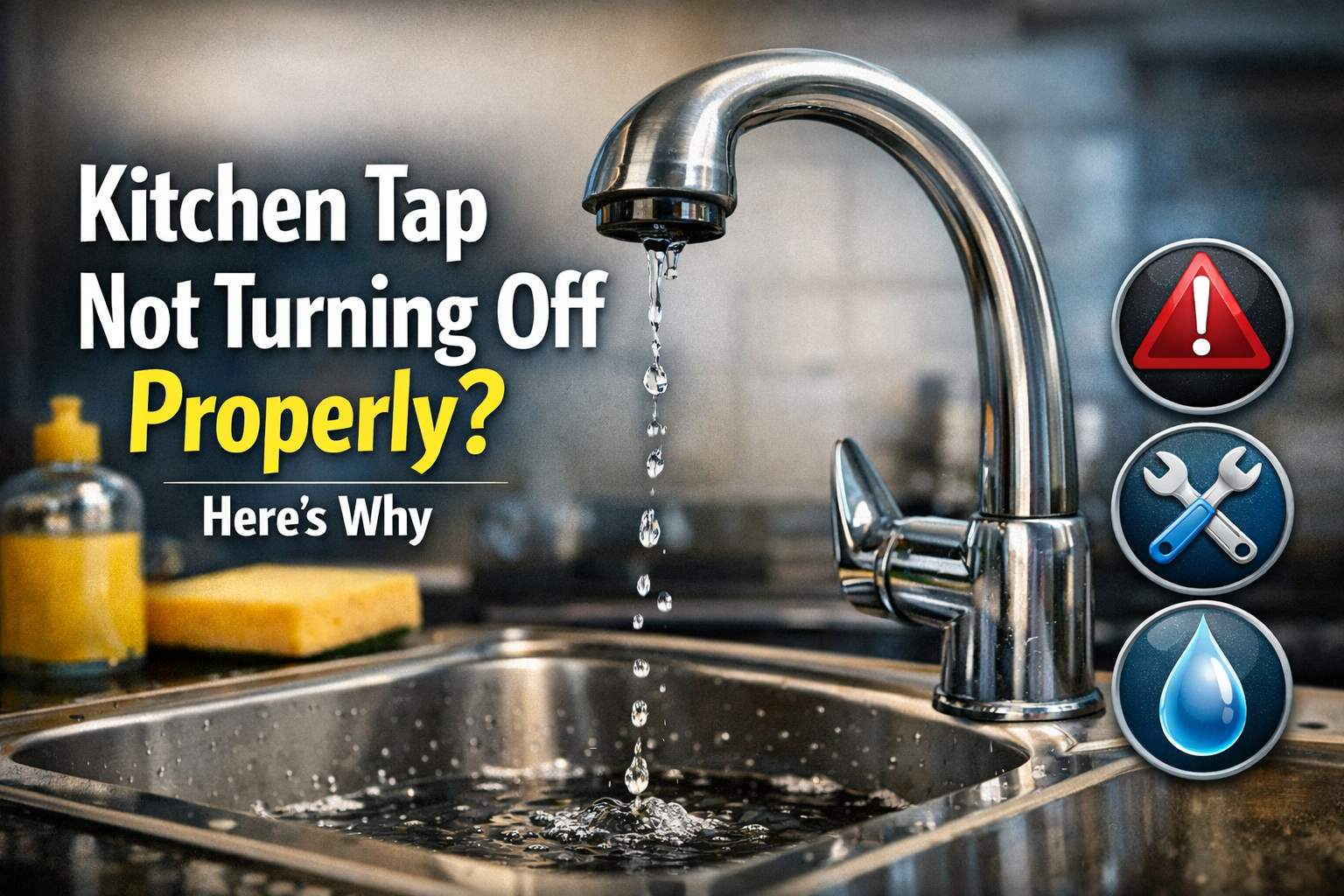
Never ignore a dripping tap. While it seems small, it is often a symptom of high water pressure or failing valves. Water leaks and fixture failures make up 27% of all reported plumbing emergencies, so getting it fixed early saves you a massive headache later.
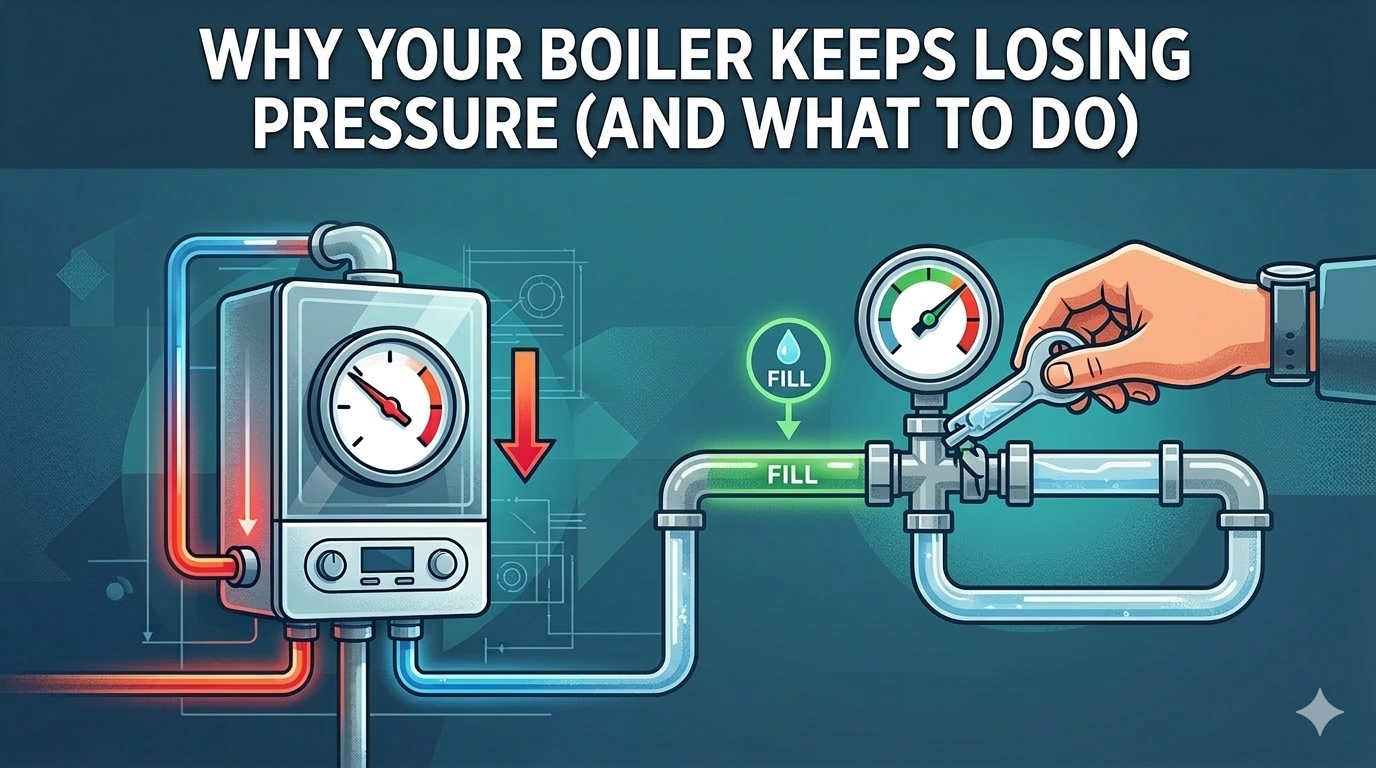
We should also talk about your boiler and water heater. Faulty thermostats and pump failures contribute to about 21% of plumbing emergencies. If your water heater’s temperature climbs above 120–130°F (about 50–55°C), you are at risk of scalding. Even worse, gas-powered units with leaks can pose a fire hazard. If you smell gas or see water pooling under the unit, that is an immediate call to an expert.
At the end of the day, your home is likely your biggest investment, and your plumbing is its circulatory system. Ignoring these signs is a bit like ignoring chest pain – it rarely gets better on its own. Whether it is a suspicious stain on the ceiling or a sudden loss of pressure, getting a professional for emergency plumbing in Thame is the smartest move you can make. It keeps your repair costs down, your home dry, and your family safe from the hidden dangers of water damage and mould.
Read More: Boiler Installation Checklist
Find your stopcock immediately and turn off the main water supply. Then, open all your taps to drain the remaining water from the system. This stops the “10 gallons per minute” flow and limits the damage before your plumber arrives.
In short, yes. Because mould grows so quickly (within 48 hours), a slow leak can lead to structural rot and respiratory issues. It is always cheaper to fix a leak than to replace a rotten floor.
This is usually “water hammer.” It happens when water changes direction or stops suddenly. It puts massive stress on your joints and can eventually lead to a burst pipe if a professional doesn’t install a dampener.
I’d advise against it. Those chemicals are incredibly harsh and can actually eat away at your pipes, especially if you have an older home. A professional clearance is much safer for your plumbing in the long run.
Keep your heating on a low constant setting during a cold snap and make sure your pipes are properly lagged with foam sleeves. It is a tiny investment that prevents a massive disaster.
 Need Help? Call Now