
Why Does Your Tap Keep Dripping? Causes and Permanent Solutions
Home /Kitchen Tap Not Turning Off Properly? Here’s Why
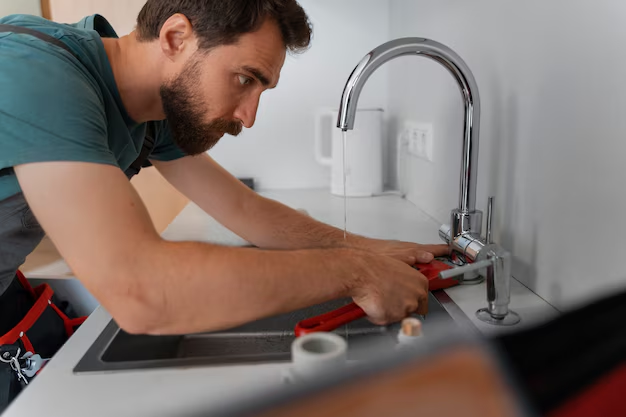
A dripping tap may seem like a small household annoyance, but ignoring it can lead to wasted water, higher utility bills, and eventually a more serious plumbing problem. AB Plumbing and Heating understands that even a slow, persistent drip can indicate a worn component or an underlying issue that needs professional attention. Finding the cause early and choosing the right repair can help restore your tap to proper working condition and prevent the same problem from returning.
Many homeowners assume that a dripping tap only needs a quick tightening. While this can occasionally help with a loose fitting, persistent dripping is usually caused by a worn washer, damaged seal, faulty cartridge, corrosion, excessive water pressure, or another component that is no longer functioning correctly. Understanding the cause is important because the right solution depends on the type of tap and the nature of the fault.
A tap that drips once every few seconds may not appear serious, but those individual drops can add up over time. Constant water loss is unnecessary and can contribute to higher household water consumption. If the leak becomes worse, water can also begin affecting the surrounding sink, countertop, cabinet, or other surfaces. A small repair today may therefore prevent a more inconvenient problem later.
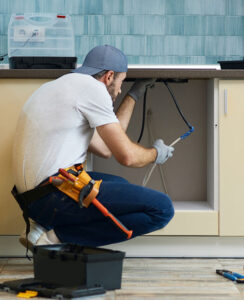
Professional tap repair and installation can address both existing leaks and problems caused by outdated or poorly fitted fixtures. A qualified plumber can inspect the tap, identify the failed component, and determine whether repairing the existing fixture makes sense or whether replacement would provide a more reliable long-term solution.
The good news is that most dripping taps have identifiable causes, and many can be repaired without replacing the entire plumbing system. The key is to avoid guessing at the problem and repeatedly replacing parts without understanding why the tap is leaking. A proper inspection can save time, reduce unnecessary expenses, and provide a more permanent solution.
Before attempting any repair, homeowners should also consider the age and condition of the tap. An inexpensive or relatively new fixture may be worth repairing, while an older tap with multiple damaged components may be more economical to replace. The decision should take into account the cost of parts, labor, reliability, appearance, and expected lifespan.
Different tap designs can also develop different problems. Traditional compression taps, mixer taps, cartridge taps, ceramic disc taps, and other modern designs use different internal mechanisms. As a result, the repair approach that works for one fixture may not work for another. Identifying the tap type is an important first step toward finding the correct solution.
If the dripping continues after a basic repair, there may be another issue that needs investigation. Problems such as excessive water pressure, damaged valve seats, corrosion, or incorrect installation can cause repeated leaks. In these cases, simply changing the washer may provide only temporary relief.
1. Worn or Damaged Washers
A worn washer is one of the most common reasons a traditional tap continues to drip. Washers are designed to create a seal that prevents water from passing through the tap when it is turned off. Over time, repeated use can cause the material to become compressed, cracked, hardened, or worn.
When the washer can no longer create a proper seal, small amounts of water can escape through the outlet. Replacing the damaged washer may solve the problem, but the replacement needs to be the correct size and type for the tap.
A professional should also inspect the surface against which the washer seals. If that surface has become damaged or corroded, installing a new washer alone may not provide a lasting repair.
2. Damaged O-Rings and Seals
O-rings and other seals help prevent water from escaping around moving parts of a tap. These small components can deteriorate with age, repeated use, mineral deposits, or exposure to water and cleaning products.
When a seal becomes brittle, stretched, or damaged, water may leak around the handle or other areas of the fixture. The leak may sometimes appear to come from the tap outlet even though the actual problem is located around the internal mechanism.
Replacing the damaged seal can restore the watertight connection. However, if the surrounding component is worn or damaged, additional repairs may be required to prevent the leak from returning.
3. Faulty Tap Cartridge
Many modern mixer taps use cartridges to regulate water flow and temperature. When the cartridge becomes worn or damaged, the tap may continue to drip even when the handle is fully closed.
Mineral buildup can also affect the cartridge’s operation, particularly in areas with hard water. A damaged cartridge may need to be cleaned or replaced depending on its condition.
Because cartridges vary considerably between tap models, it is important to use a compatible replacement. Installing the wrong cartridge can result in poor water flow, temperature problems, or continued leaking.
4. Corrosion Inside the Tap
Corrosion can affect internal tap components and prevent them from forming a reliable seal. Older fixtures are particularly susceptible, although corrosion can occur in newer taps depending on water conditions and the quality of the materials.
Corroded components may appear damaged, discolored, rough, or difficult to move. In some situations, replacing an individual component can solve the issue. In others, extensive corrosion may make complete tap replacement the more practical option.
Ignoring corrosion can allow the problem to become progressively worse. A professional inspection can determine how extensive the damage is and whether repair or replacement is more appropriate.
5. High Water Pressure
Water pressure that is too high can contribute to leaks and place additional stress on plumbing fixtures. Although a tap may initially appear to be the problem, excessive pressure elsewhere in the plumbing system can contribute to premature wear of seals, washers, and cartridges.
If a tap continues dripping despite repeated component replacements, checking water pressure may be worthwhile. A plumber can assess the system and determine whether pressure is within an appropriate range.
Addressing excessive pressure can protect more than one tap. It may also help reduce stress on pipes, appliances, valves, and other plumbing fixtures throughout the property.
6. Loose or Incorrectly Fitted Components
Sometimes the cause of a dripping tap is related to installation rather than normal wear. A component may not have been tightened correctly, or a fitting may have been positioned incorrectly.
However, excessive tightening is not necessarily the answer. Applying too much force can damage threads, seals, or other delicate components. This can turn a relatively simple problem into a more complicated repair.
If a tap begins leaking soon after installation or repair, it is worth having the fitting inspected rather than repeatedly tightening it yourself.
7. Mineral and Limescale Buildup
Minerals in the water can accumulate inside taps and affect moving components. Limescale is particularly common in hard-water areas and may interfere with washers, cartridges, aerators, and valves.
Buildup can prevent components from closing correctly, allowing water to continue flowing after the tap has been turned off. Cleaning may help in minor cases, while significant buildup may require replacement of affected components.
Regular cleaning and maintenance can help reduce mineral accumulation and extend the useful life of plumbing fixtures.
8. Emergency Plumbing Situations
Most dripping taps are not emergencies, but the situation can become more urgent if the leak suddenly becomes severe or is accompanied by other plumbing problems. A tap that changes from a slow drip to a steady flow may require immediate attention, particularly if the water cannot be shut off.
A 24/7 plumbing service can be useful when a serious leak develops outside normal working hours. Emergency assistance may help prevent water damage when a valve fails, a fitting breaks, or a plumbing issue affects other parts of the property.
If water is spreading rapidly, locate and shut off the appropriate water supply if it is safe to do so. Avoid electrical hazards and arrange professional assistance rather than attempting complicated repairs during an emergency.
9. How to Tell Where the Leak Is Coming From
Correctly identifying the location of a leak can make diagnosis easier. The water may be coming from the tap outlet, handle, base, connection underneath the sink, or even a nearby pipe.
Dry the fixture completely and observe where new water appears. This can help establish whether the problem is internal to the tap or related to the connection supplying it.
However, water can travel along surfaces before becoming visible, so the apparent location is not always the actual source. If the source remains unclear, professional inspection is recommended.
10. Can You Fix a Dripping Tap Yourself?
Some simple tap repairs can be completed by homeowners with appropriate tools and basic plumbing knowledge. Replacing an accessible washer or cleaning an aerator may be manageable for someone comfortable working with plumbing fixtures.
Before starting, turn off the water supply and make sure you understand the tap’s construction. Keep track of small components and avoid forcing parts that do not move easily.
DIY repairs become more complicated when the tap is heavily corroded, difficult to disassemble, connected to damaged pipework, or located in a restricted space. If you are unsure, professional assistance can prevent accidental damage.
Why a Dripping Tap Should Not Be Ignored
A dripping tap is more than an irritating sound. Even a small leak represents ongoing water waste and may indicate that a component is deteriorating.
Several problems can develop when a leak is ignored:
Higher water consumption: A constant drip means water is being used even when the tap is not intentionally running, potentially increasing household consumption.
Fixture deterioration: Persistent moisture around the tap can contribute to staining, corrosion, and deterioration of surrounding materials.
Hidden damage: Leaks underneath sinks or around connections may affect cabinets and other surfaces before the problem becomes obvious.
More expensive repairs: A small component failure can become more complicated if surrounding parts also deteriorate.
Reduced fixture lifespan: Continuing to operate a tap with damaged internal components can place additional stress on other parts.
Taking action early is generally more convenient than waiting until the leak becomes severe.
Repair or Replace: Which Is Better?
Whether a dripping tap should be repaired or replaced depends on several factors. The age of the fixture, extent of damage, availability of replacement parts, appearance, water efficiency, and repair cost should all be considered.
A relatively modern tap with one worn washer or seal may be an excellent candidate for repair. There is little reason to replace an otherwise reliable fixture if a small component can restore proper operation.
Replacement may make more sense when the tap is heavily corroded, repeatedly develops leaks, has obsolete parts, or has suffered extensive internal damage. A newer fixture may also provide improved functionality, appearance, and efficiency.
How Professional Tap Repair Works
Professional repair generally begins with an inspection of the fixture and surrounding plumbing. The plumber identifies where water is escaping and determines whether the issue is caused by an internal component, connection, pressure problem, or another fault.
The water supply can then be isolated before the tap is safely disassembled. Damaged washers, cartridges, seals, or other components can be replaced as appropriate.
After the repair, the fixture should be tested for leaks, proper water flow, and correct operation. A quality check is important because a tap that appears fixed initially may still have a slow leak if another component has been overlooked.
How to Prevent Future Tap Leaks
Although no tap can last forever, regular care can help reduce unnecessary wear. Avoid using excessive force when opening or closing taps, and address minor leaks as soon as they become noticeable.
Cleaning the fixture regularly can also help prevent mineral deposits from accumulating. If your property has particularly hard water, periodic maintenance may be especially useful.
It is also important to monitor other plumbing fixtures. If several taps begin developing leaks within a short period, the issue may not be isolated to individual fixtures. Water pressure or broader plumbing conditions may need to be investigated.
When Should You Call a Professional?
Professional help is advisable when you cannot identify the cause of the leak, when a repair has failed, or when the problem is accompanied by other plumbing symptoms. Persistent leaks should not require repeated temporary fixes.
You should also seek professional assistance if water is leaking underneath the sink, around pipe connections, or from areas that are difficult to access. These problems can involve more than the tap itself.
If shutting off the tap does not stop the water or the leak suddenly becomes severe, treat the situation as urgent and seek professional plumbing assistance.
Conclusion
A dripping tap is usually a sign that something within the fixture or its connected plumbing system is no longer working as it should. Worn washers, damaged seals, faulty cartridges, corrosion, mineral buildup, loose components, and excessive water pressure are among the most common causes. Identifying the actual source is important because replacing the wrong component may only provide a temporary solution.
Prompt repairs can reduce water waste, protect surrounding surfaces, and prevent minor faults from becoming larger plumbing problems. In some cases, repairing a single component is enough. In others, replacing an old or heavily damaged tap can provide a more dependable long-term result.
For professional assistance with leaking taps, plumbing repairs, and related heating or plumbing requirements, AB Plumbing and Heating can help identify the cause and recommend a suitable solution. If your tap keeps dripping or you need professional advice about a plumbing issue, contact us today to discuss your requirements and arrange the appropriate assistance.
Frequently Asked Questions
Why is my central heating not working but my hot water is?
If hot water works while central heating does not, the problem may involve the thermostat, programmer, heating controls, diverter valve, zone valve, or another component. A professional assessment may be needed to identify the exact cause.
Why are my radiators cold when the boiler is working?
Cold radiators can result from trapped air, closed or faulty valves, low pressure, circulation problems, pump issues, or other heating-system faults. The pattern of which radiators are cold can help identify the likely cause.
Can low boiler pressure stop central heating?
Yes, low pressure can prevent some sealed heating systems from operating correctly. Check your boiler manufacturer's guidance for the appropriate pressure range, and seek professional help if pressure repeatedly drops.
Should I bleed my radiators if they are cold?
If a radiator is cold at the top but warmer at the bottom, trapped air may be a possible cause. Bleeding can sometimes help, but homeowners should follow appropriate instructions and check boiler pressure afterward where relevant.
When should I call a professional for central heating problems?
Call a qualified professional if basic checks do not resolve the issue, the boiler displays a fault, pressure repeatedly falls, there is a water leak, electrical problems occur, or you suspect a gas-related issue. Never attempt to repair internal boiler or gas components yourself.
Latest Post
When your central heating suddenly stops working, it can quickly become an uncomfortable and frustrating problem, especially during colder weather. A heating system can fail for several reasons, ranging from simple thermostat settings to boiler faults, low pressure, electrical issues, or problems with radiators and pipework. AB Plumbing and Heating helps homeowners understand common heating problems and determine when professional assistance may be necessary. Identifying the likely cause can help you take appropriate action without unnecessarily replacing parts or equipment.
A central heating system generally includes several connected components that need to work together. The boiler produces heat, controls tell the system when heating is required, pumps circulate heated water, radiators release heat into rooms, and pipework transports water throughout the property. If one component develops a problem, it can affect the performance of the entire system.
Before assuming that your boiler has failed, it is worth checking a few basic things. The thermostat may have been changed accidentally, the heating schedule may be incorrect, or the boiler may have lost pressure. These issues can sometimes be resolved relatively quickly. However, problems involving gas appliances, electrical components, or internal boiler parts should be assessed by a suitably qualified professional.
What Should You Check First When Central Heating Stops Working?
Before calling a heating professional, there are a few simple checks that can help determine whether the problem has an obvious cause. These checks should only involve safe user controls and should never require opening the boiler or interfering with gas components.
Start by checking whether the thermostat is switched on and set to a temperature higher than the current room temperature. If the thermostat uses batteries, check whether they need replacing. You can also check whether the heating schedule is active if you use a programmable thermostat.
Next, look at the boiler display for warning lights, fault codes, or unusual messages. Check whether the boiler has power and whether other appliances in the property are receiving electricity. If the boiler pressure gauge is visible, check whether the pressure appears unusually low or high.
If these basic checks do not identify the problem, professional assessment may be required. Do not attempt to remove boiler covers or repair internal components yourself.
Could the Thermostat Be Causing the Problem?
The thermostat controls when your heating system should turn on and off. If it is incorrectly set or has developed a fault, your radiators may remain cold even when the boiler appears to be functioning.
Start by checking the temperature setting. If the room is already warmer than the selected temperature, the thermostat may not be requesting heat. Increasing the setting temporarily can help determine whether the system responds.
Wireless thermostats can also lose communication with the receiver or experience battery problems. If replacing the batteries and checking the settings does not resolve the issue, the thermostat or its connection may need professional inspection.
Is Your Boiler Pressure Too Low?
Low boiler pressure is a common reason for central heating problems, particularly in sealed heating systems. The pressure gauge may show whether the system pressure has fallen below its normal operating range.
A pressure that is significantly below the recommended level may prevent the heating system from operating correctly. However, the appropriate pressure range can vary between boilers, so homeowners should check the manufacturer’s instructions rather than relying on a generic number.
If pressure repeatedly drops after it has been restored, there may be an underlying issue such as a leak or component fault. In that situation, simply topping up the pressure repeatedly may not solve the underlying problem.
Professional central heating services can help diagnose recurring pressure problems and determine whether the boiler, pipework, radiators, or another component requires attention.
Could There Be a Problem With the Boiler?
The boiler is the main heat-producing component of a central heating system, so a boiler fault can prevent the entire system from operating. Warning signs can include fault codes, unusual noises, repeated shutdowns, or failure to ignite.
Some boiler problems may be related to pressure, controls, sensors, or other components. A professional heating engineer can investigate the fault and determine whether repair is appropriate.
Homeowners should never attempt to open a gas boiler or interfere with internal gas components. Gas appliance repairs should be carried out by an appropriately qualified professional.
Why Are the Radiators Cold?
If the boiler appears to be working but some or all radiators remain cold, the problem may involve circulation, air, valves, controls, or the heating system itself.
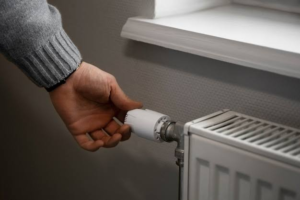
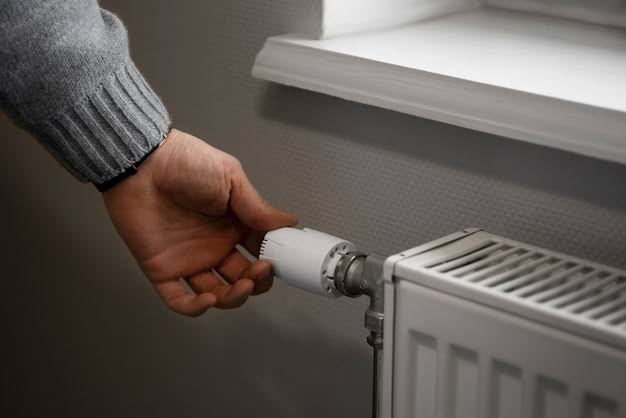
If only one radiator is cold while others are working normally, the issue may be isolated to that radiator. A thermostatic radiator valve may be closed or stuck, or the radiator may contain trapped air.
If multiple radiators are cold, the cause may be more widespread. Circulation problems, system pressure, controls, or boiler operation may need to be investigated.
The location and pattern of the cold radiators can provide useful information to a heating professional when diagnosing the problem.
Can Trapped Air Stop a Radiator From Heating?
Air can sometimes become trapped inside radiators, preventing them from heating evenly. A common sign is a radiator that feels warmer at the bottom than at the top.
Bleeding a radiator can release trapped air and allow water to circulate more effectively. However, homeowners should follow the correct procedure and understand that bleeding radiators on a sealed heating system can affect boiler pressure.
If radiators repeatedly develop air problems, there may be an underlying issue that needs investigation. Repeatedly bleeding radiators without identifying the cause may not provide a long-term solution.
Could the Radiator Valves Be Faulty?
Radiator valves control water flow into individual radiators. If a valve is closed, stuck, or malfunctioning, the radiator may remain cold even though the rest of the heating system is operating.
Thermostatic radiator valves can sometimes become stuck, particularly after being left in one position for an extended period. A heating professional can inspect the valve and determine whether it requires attention.
Do not force a valve if it appears stuck. Excessive force could damage the component or cause a leak.
Could Plumbing Problems Affect Your Heating?
Central heating relies on pipework to circulate water between the boiler and radiators. Problems with pipework can therefore affect heating performance.
Leaks, blockages, corrosion, or circulation problems can prevent hot water from moving effectively through the system. Signs of a potential pipework problem may include damp patches, visible leaks, unusual noises, pressure loss, or radiators that do not heat correctly.
Although a tap installation plumber typically focuses on plumbing fixtures such as taps and related water connections, plumbing professionals may also help identify broader water-system problems and determine whether a specialist heating engineer is required for a central heating fault.
Is the Heating Pump Working Correctly?
The central heating pump helps circulate heated water around the system. If it is not working properly, the boiler may produce heat without distributing it effectively to the radiators.
Pump problems can sometimes cause unusual noises, poor circulation, uneven heating, or a system that struggles to heat the property. A professional can assess whether the pump is operating correctly and whether replacement or repair is required.
Because the pump forms part of the heating system, diagnosing the exact problem is important. Replacing a pump without confirming that it is the source of the fault may result in unnecessary expense.
Could Electrical Problems Stop the Heating?
Modern heating systems rely on electricity to operate boilers, thermostats, pumps, programmers, and other controls. An electrical problem can therefore prevent heating from operating even when the boiler itself is mechanically sound.
Check whether the boiler has power and whether the relevant switches are turned on. If a fuse or circuit breaker repeatedly trips, do not keep resetting it without finding out why.
Electrical faults can present safety risks and should be assessed by an appropriately qualified professional. Homeowners should not attempt to modify boiler wiring or internal electrical components themselves.
What Should You Do During an Emergency Heating Problem?
Some heating problems require urgent attention, particularly when they involve water leaks, gas concerns, electrical faults, or complete loss of heating during particularly cold conditions.
A 24/7 plumbing service can provide assistance when an urgent plumbing or heating-related problem occurs outside normal working hours. However, the appropriate professional depends on the nature of the fault.
If you smell gas, leave the property if necessary and follow the appropriate emergency gas safety guidance for your area. Do not attempt to diagnose a suspected gas leak yourself. For serious electrical problems, avoid touching potentially dangerous equipment and seek professional assistance.
Why Does the Heating Work in Some Rooms but Not Others?
Uneven heating can occur for several reasons. Radiators may not be balanced correctly, individual valves may be restricted, air may be trapped, or there may be circulation problems.
If some rooms heat normally while others remain cold, the heating system may need balancing. Balancing involves adjusting the flow through radiators so that heat is distributed more effectively throughout the property.
Changes to the property, such as adding radiators, altering rooms, or replacing heating components, can also affect system performance. A professional assessment can identify whether balancing or another adjustment is required.
Could a Frozen Condensate Pipe Stop the Boiler?
During cold weather, the condensate pipe connected to some modern boilers can freeze. If the pipe becomes blocked by ice, the boiler may shut down as a safety measure.
Some manufacturers provide guidance for safely thawing an accessible frozen condensate pipe. Homeowners should follow the manufacturer’s instructions and avoid unsafe methods such as using boiling water or open flames.
If you are unsure where the pipe is located or how to deal with the problem safely, contact a qualified heating professional. Repeated freezing may indicate that the condensate pipe requires improved insulation or installation changes.
When Should You Call a Heating Professional?
If basic checks do not resolve the problem, professional diagnosis is usually the safest option. This is particularly important when the issue involves the boiler, gas supply, electrical components, repeated pressure loss, or persistent leaks.
A qualified professional can inspect the heating system, identify the underlying cause, and explain the available repair options. Professional diagnosis can also prevent homeowners from replacing functioning components unnecessarily.
It is better to address recurring heating problems early rather than repeatedly resetting the system or ignoring warning signs. Small issues can sometimes become more expensive if they are left unresolved.
How Can Regular Maintenance Prevent Heating Problems?
Regular maintenance can help identify developing faults before they cause a complete heating failure. A heating professional can check the condition and operation of relevant components and identify potential problems.
Homeowners can also help maintain their systems by keeping controls in good working order, monitoring unusual changes in boiler pressure, paying attention to unusual noises, and arranging professional servicing where appropriate.
Maintenance does not guarantee that a heating system will never break down, but it can support safe operation and help identify problems earlier.
How Can You Keep Your Central Heating Efficient?
A well-maintained heating system can operate more effectively, but homeowners can also improve efficiency through sensible controls and household measures. Using a programmable thermostat can help ensure that heating operates when it is actually needed.
Radiators should not be blocked by large furniture or heavy coverings because this can interfere with heat distribution. Appropriate insulation can also help retain heat within the property.
Regularly reviewing heating schedules and room temperatures can prevent unnecessary energy use. If the system remains inefficient or rooms are consistently difficult to heat, a professional assessment may identify improvements that could help.
Conclusion
When your central heating stops working, the cause may be something relatively simple, such as an incorrect thermostat setting or low pressure, or it may involve a more complex problem with the boiler, pump, controls, valves, or pipework. Understanding the common causes can help you perform safe basic checks and recognize when professional assistance is needed. AB Plumbing and Heating can assess central heating problems and help homeowners identify practical repair solutions based on their heating system and property requirements. If your heating is not working or you are experiencing repeated problems, contact us today to discuss your heating issue and arrange professional assistance.
Frequently Asked Questions
Why does my tap keep dripping after I replace the washer?
If a new washer does not stop the dripping, the problem may involve a damaged valve seat, incorrect washer size, worn cartridge, corrosion, or excessive water pressure. A professional inspection can identify the underlying cause.
Is a dripping tap expensive to fix?
The cost depends on the cause and the type of tap. A simple washer or seal replacement may be relatively straightforward, while extensive corrosion or a complete tap replacement may require more work.
Can high water pressure cause a dripping tap?
Yes. Excessive water pressure can place additional stress on tap components and seals. If multiple fixtures are experiencing leaks, checking the property's water pressure may be worthwhile.
Should I replace or repair my dripping tap?
Repair may be preferable when the tap is relatively new and only one component has failed. Replacement may make more sense when the fixture is old, heavily corroded, repeatedly leaking, or difficult to source parts for.
When does a dripping tap become a plumbing emergency?
A slow drip is usually not an emergency. However, if the leak suddenly becomes severe, cannot be stopped, causes flooding, or is connected to a larger plumbing failure, you should seek professional assistance promptly.
