What Counts as a Plumbing Emergency? When to Call a 24/7 Plumber
Home /Kitchen Tap Not Turning Off Properly? Here’s Why
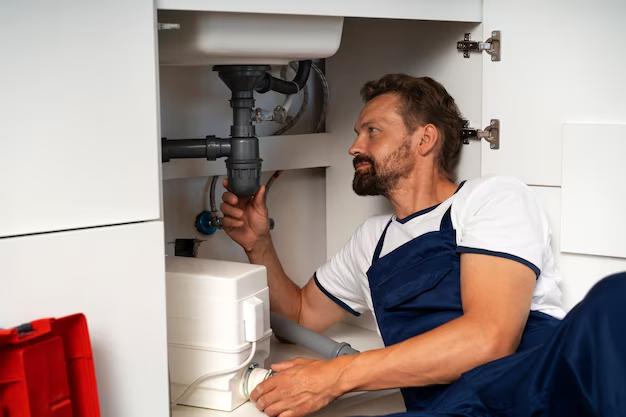
Plumbing problems can happen without warning, and some issues need immediate professional attention to prevent serious damage. Knowing what qualifies as an emergency can help you act quickly instead of waiting for normal business hours. AB Plumbing and Heating understands that a burst pipe, overflowing toilet, or sudden loss of water can quickly become stressful for homeowners and businesses. The key is knowing which problems require urgent assistance and which can safely wait until the next available appointment.
Not every plumbing issue requires an emergency call, but certain problems can cause extensive property damage when left unresolved. A small leak may seem manageable at first, while a hidden pipe leak can continue damaging walls, floors, ceilings, and insulation. Similarly, a blocked drain may become a minor inconvenience or develop into a serious sewage backup. Understanding the warning signs allows you to make a more informed decision about when to call a professional plumber.
A plumbing emergency generally involves a problem that threatens your property, health, safety, or access to essential water and sanitation services. Water that is spreading rapidly, sewage entering your home, or a pipe that has suddenly burst should not be ignored. Acting promptly can often limit the amount of damage and reduce the eventual repair cost. If you are unsure whether an issue is urgent, contacting a qualified plumber for advice is usually safer than waiting.
When you need help outside normal working hours, a 24/7 plumbing service can provide assistance when unexpected plumbing problems occur at night, during weekends, or on holidays. Emergency plumbers are equipped to assess urgent situations, identify the source of the problem, and take steps to control the damage. Their availability is particularly important when shutting off the water supply does not completely resolve the immediate risk.
A plumbing emergency can affect much more than your pipes. Uncontrolled water can damage flooring, furniture, electrical systems, drywall, and personal belongings. Sewage-related problems can also create unpleasant odors and potentially unsafe conditions. For these reasons, homeowners should have a basic understanding of emergency plumbing situations and know what steps to take before professional help arrives.
One of the most important things to remember is that delaying an emergency does not necessarily save money. In many cases, the opposite can happen. A small repair performed quickly may prevent a much larger restoration project later. The faster the source of a serious plumbing problem is controlled, the better the chances of minimizing property damage.
It is also useful to understand the difference between an urgent plumbing problem and a routine maintenance issue. A dripping tap, slowly draining sink, or minor fixture problem may generally be scheduled for a convenient appointment. However, if the situation is rapidly worsening, affecting multiple fixtures, or creating a risk of flooding or contamination, professional attention becomes much more important.
Plumbing systems are connected to many essential parts of a property, including bathrooms, kitchens, heating systems, and water supplies. A failure in one part of the system can sometimes indicate a larger problem. Knowing the common signs of a plumbing emergency can help you respond before the situation becomes more expensive or disruptive.
1. Burst Pipes
Burst pipes are among the clearest examples of a plumbing emergency because they can release a large amount of water in a short period. Whether a pipe bursts because of freezing temperatures, corrosion, excessive pressure, or physical damage, the resulting water flow can quickly affect walls, floors, ceilings, and electrical components.
If you discover a burst pipe, your first priority should be to stop the water supply if it is safe to do so. Locate the property’s main shut-off valve and turn it off. Then move valuable belongings away from the affected area and contact an emergency plumber. Avoid attempting a complicated pipe repair yourself, especially if the pipe is located behind a wall or near electrical wiring.
2. Major Water Leaks
Not every leak is immediately dangerous, but a significant or rapidly spreading leak should be treated seriously. Water appearing suddenly from a ceiling, wall, floor, or pipe connection may indicate a concealed plumbing failure.
After shutting off the water supply where possible, inspect the affected area for signs of structural or electrical damage. Do not touch electrical equipment or wiring that has come into contact with water. A professional plumber can locate the source of the leak and determine whether a repair or replacement is necessary.
3. Sewage Backups
A sewage backup requires urgent attention because contaminated wastewater can enter living spaces and create serious sanitation concerns. You may notice foul odors, dirty water rising through drains, toilets backing up, or wastewater appearing in showers and sinks.
Avoid using toilets, sinks, showers, or other fixtures until the cause has been identified. Keep children and pets away from contaminated areas and arrange professional plumbing assistance as quickly as possible. The plumber can investigate whether the blockage is inside the property’s plumbing system or connected to a larger drainage issue.
4. Overflowing Toilets That Will Not Stop
An overflowing toilet can quickly turn into a water-damage problem. If plunging does not stop the overflow, or if water continues entering the bowl even after you attempt to stop it, immediate action is necessary.
If possible, close the toilet’s shut-off valve behind the fixture. If the valve does not work, you may need to shut off the property’s main water supply. A plumber can then determine whether the problem is caused by a severe blockage, faulty internal components, or a larger drainage problem.
5. No Water Throughout the Property
A complete loss of water can also require urgent investigation, particularly when the interruption is unexpected and affects the entire property. Before calling a plumber, check whether there is a known local water outage and confirm that the main water valve has not accidentally been turned off.
If neighboring properties still have water and your supply remains unavailable, the problem may involve your internal plumbing, supply line, pressure system, or another component. A professional can diagnose the issue and determine the appropriate repair.
6. Gas or Heating-Related Concerns
Some plumbing and heating systems can involve gas, which means certain problems require extra caution. If you smell gas, do not attempt to diagnose or repair the system yourself. Leave the area if necessary and follow appropriate emergency procedures for your location.
Heating failures may also become urgent during very cold weather, especially for vulnerable occupants or properties at risk of frozen pipes. A qualified professional can determine whether the issue is related to plumbing, heating equipment, controls, or another component.
7. Severe Drain Blockages
A blocked sink is not always an emergency, but a severe blockage affecting multiple fixtures can indicate a larger drainage problem. If several toilets, sinks, showers, or floor drains are backing up at the same time, the problem may be deeper within the property’s drainage system.
Avoid repeatedly using chemical drain cleaners, as they may damage certain plumbing components and can create hazards for anyone working on the system later. Professional equipment can often identify and clear the blockage more effectively.
8. Heating System Failures
Loss of heating can be particularly disruptive during cold weather. While some heating problems can wait for a routine appointment, a complete system failure during freezing conditions may require urgent assistance, especially when there is a risk of frozen pipes or unsafe indoor temperatures.
For homeowners planning future upgrades, central heating installation can also improve heating efficiency and reliability when an existing system is outdated. However, installation and replacement work should be planned separately from emergency repairs so that an urgent fault can be addressed without unnecessary delays.
9. Water Heater Problems
A leaking or malfunctioning water heater can create significant problems if ignored. Signs of trouble may include water pooling around the unit, unusual noises, inconsistent water temperature, or a sudden lack of hot water.
If the water heater is leaking significantly, shut off the water supply to the unit if you can do so safely. Depending on the type of system, you may also need to turn off its energy source. A qualified professional can inspect the equipment and determine whether repair or replacement is appropriate.
10. What Should You Do Before the Plumber Arrives?
Taking a few basic precautions can reduce damage while you wait for professional assistance. However, do not attempt repairs that could put you at risk or make the situation worse.
Here are some practical steps:
Shut off the water supply: If there is active flooding and you know where the main shut-off valve is located, turn it off if you can do so safely.
Protect valuable belongings: Move furniture, electronics, documents, and other valuables away from the affected area when possible.
Avoid electrical hazards: Never handle electrical equipment or switches in areas where standing water may be present.
Stop using affected fixtures: If a sewage backup or major blockage is suspected, avoid using toilets, sinks, showers, and appliances connected to the affected plumbing.
Document the damage: Take photographs or videos of the affected areas for your records and, where applicable, insurance purposes.
Providing the plumber with useful information can also speed up the diagnostic process. Explain when the problem started, what you noticed first, whether the issue is getting worse, and what actions you have already taken.
How to Decide Whether You Need an Emergency Plumber
The biggest question homeowners often face is whether they should call immediately or wait until normal business hours. A simple way to evaluate the situation is to consider the potential consequences of waiting.
Ask yourself whether water is actively escaping, whether sewage is involved, whether the problem affects essential services, or whether the situation could damage the property. If the answer is yes, professional assistance should generally be sought promptly.
You should also consider whether the issue could create health or safety risks. Sewage contamination, major flooding, gas-related concerns, and water near electrical systems should never be treated as ordinary maintenance issues.
When in doubt, professional advice can help determine the appropriate response. Describing the symptoms over the phone may allow a plumber to establish whether the situation requires an immediate visit or can be scheduled for a later time.
Why Fast Plumbing Repairs Matter
The longer certain plumbing problems continue, the greater the potential for secondary damage. Water can travel underneath flooring, behind walls, and into insulation, making damage difficult to identify immediately.
Quick repairs can help prevent:
Structural damage: Persistent moisture can weaken certain building materials and contribute to expensive repairs.
Mold and damp problems: Areas that remain wet for extended periods can develop moisture-related issues.
Damage to belongings: Furniture, carpets, electronics, and personal possessions may be affected by uncontrolled water.
Higher repair costs: A simple plumbing repair can become considerably more complicated if surrounding materials also require restoration.
Disruption to daily life: Major plumbing failures can make bathrooms, kitchens, and other essential areas unusable.
Prompt professional intervention does not guarantee that all damage will be avoided, but it can significantly improve the chances of controlling the situation.
How to Prepare for a Plumbing Emergency
Preparation can make a stressful situation much easier to manage. Every homeowner should know where the main water shut-off valve is located and understand how to turn it off.
It is also helpful to keep basic plumbing information readily available, including the location of shut-off valves for toilets, sinks, washing machines, and water heaters. Make sure everyone in the household knows what to do if a serious leak occurs.
Regular maintenance is another important part of emergency prevention. Checking exposed pipes, monitoring water pressure, inspecting fixtures for leaks, and addressing slow drains early can help identify problems before they become major failures.
Emergency Plumbing vs. Routine Plumbing
Understanding the difference between emergency and routine plumbing work can help you use professional services efficiently. Emergency plumbing is generally appropriate when delaying repairs could cause substantial damage, create health concerns, or leave essential services unavailable.
Routine issues can usually be scheduled when convenient. Examples may include replacing a worn tap, repairing a minor leak that is fully contained, upgrading fixtures, or dealing with a slow drain that is not causing backups.
However, circumstances can change quickly. A small leak that suddenly becomes a steady flow of water should be reassessed immediately. The severity and speed of the problem matter more than the original diagnosis.
How Regular Maintenance Can Prevent Emergencies
Preventive maintenance is one of the best ways to reduce the likelihood of unexpected plumbing emergencies. Small warning signs should not be ignored simply because the system is still functioning.
Watch for dripping faucets, unexplained increases in water bills, damp patches, low water pressure, unusual pipe noises, slow drainage, and recurring blockages. These symptoms can indicate developing problems that may become more serious over time.
Professional inspections can also help identify aging components and potential weaknesses. Addressing these issues early may reduce the likelihood of an unexpected failure and help extend the useful life of the plumbing system.
Choosing the Right 24/7 Plumber
When an emergency occurs, choosing the first available number may seem tempting. However, you should still look for a professional who is appropriately qualified, experienced, and transparent about their services.
Before work begins, ask what the plumber believes is causing the problem, what immediate repair is required, and whether there may be additional work needed. Clear communication can help prevent misunderstandings about the scope of the job.
It is also worth checking whether the plumber provides emergency assistance for the specific type of problem you are experiencing. Some companies may focus on particular plumbing or heating services, so confirming availability can save valuable time.
Final Thoughts
Knowing what counts as a plumbing emergency can help you respond confidently when something goes wrong. Burst pipes, major leaks, sewage backups, uncontrollable toilet overflows, serious drainage problems, and complete water or heating failures may all require prompt professional attention. Acting quickly can reduce property damage, protect your household, and prevent a manageable problem from becoming a much larger repair.
Regular maintenance, knowing where your shut-off valves are located, and recognizing early warning signs can also reduce the risk of emergencies. When a serious issue occurs outside normal working hours, an experienced emergency plumber can assess the situation and take appropriate steps to restore your plumbing system.
For dependable help with urgent plumbing and heating concerns, AB Plumbing and Heating can help you understand the problem and determine the appropriate next step. If you are experiencing a plumbing emergency or need professional advice, contact us today to discuss your requirements and arrange the appropriate assistance.
Frequently Asked Questions
Why is my central heating not working but my hot water is?
If hot water works while central heating does not, the problem may involve the thermostat, programmer, heating controls, diverter valve, zone valve, or another component. A professional assessment may be needed to identify the exact cause.
Why are my radiators cold when the boiler is working?
Cold radiators can result from trapped air, closed or faulty valves, low pressure, circulation problems, pump issues, or other heating-system faults. The pattern of which radiators are cold can help identify the likely cause.
Can low boiler pressure stop central heating?
Yes, low pressure can prevent some sealed heating systems from operating correctly. Check your boiler manufacturer's guidance for the appropriate pressure range, and seek professional help if pressure repeatedly drops.
Should I bleed my radiators if they are cold?
If a radiator is cold at the top but warmer at the bottom, trapped air may be a possible cause. Bleeding can sometimes help, but homeowners should follow appropriate instructions and check boiler pressure afterward where relevant.
When should I call a professional for central heating problems?
Call a qualified professional if basic checks do not resolve the issue, the boiler displays a fault, pressure repeatedly falls, there is a water leak, electrical problems occur, or you suspect a gas-related issue. Never attempt to repair internal boiler or gas components yourself.
Latest Post