
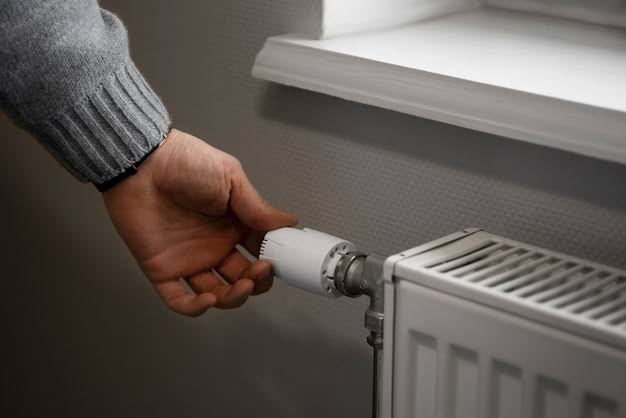
When your central heating suddenly stops working, it can quickly become an uncomfortable and frustrating problem, especially during colder weather. A heating system can fail for several reasons, ranging from simple thermostat settings to boiler faults, low pressure, electrical issues, or problems with radiators and pipework. AB Plumbing and Heating helps homeowners understand common heating problems and determine when professional assistance may be necessary. Identifying the likely cause can help you take appropriate action without unnecessarily replacing parts or equipment.
A central heating system generally includes several connected components that need to work together. The boiler produces heat, controls tell the system when heating is required, pumps circulate heated water, radiators release heat into rooms, and pipework transports water throughout the property. If one component develops a problem, it can affect the performance of the entire system.
Before assuming that your boiler has failed, it is worth checking a few basic things. The thermostat may have been changed accidentally, the heating schedule may be incorrect, or the boiler may have lost pressure. These issues can sometimes be resolved relatively quickly. However, problems involving gas appliances, electrical components, or internal boiler parts should be assessed by a suitably qualified professional.
What Should You Check First When Central Heating Stops Working?
Before calling a heating professional, there are a few simple checks that can help determine whether the problem has an obvious cause. These checks should only involve safe user controls and should never require opening the boiler or interfering with gas components.
Start by checking whether the thermostat is switched on and set to a temperature higher than the current room temperature. If the thermostat uses batteries, check whether they need replacing. You can also check whether the heating schedule is active if you use a programmable thermostat.
Next, look at the boiler display for warning lights, fault codes, or unusual messages. Check whether the boiler has power and whether other appliances in the property are receiving electricity. If the boiler pressure gauge is visible, check whether the pressure appears unusually low or high.
If these basic checks do not identify the problem, professional assessment may be required. Do not attempt to remove boiler covers or repair internal components yourself.
Could the Thermostat Be Causing the Problem?
The thermostat controls when your heating system should turn on and off. If it is incorrectly set or has developed a fault, your radiators may remain cold even when the boiler appears to be functioning.
Start by checking the temperature setting. If the room is already warmer than the selected temperature, the thermostat may not be requesting heat. Increasing the setting temporarily can help determine whether the system responds.
Wireless thermostats can also lose communication with the receiver or experience battery problems. If replacing the batteries and checking the settings does not resolve the issue, the thermostat or its connection may need professional inspection.
Is Your Boiler Pressure Too Low?
Low boiler pressure is a common reason for central heating problems, particularly in sealed heating systems. The pressure gauge may show whether the system pressure has fallen below its normal operating range.
A pressure that is significantly below the recommended level may prevent the heating system from operating correctly. However, the appropriate pressure range can vary between boilers, so homeowners should check the manufacturer’s instructions rather than relying on a generic number.
If pressure repeatedly drops after it has been restored, there may be an underlying issue such as a leak or component fault. In that situation, simply topping up the pressure repeatedly may not solve the underlying problem.
Professional central heating services can help diagnose recurring pressure problems and determine whether the boiler, pipework, radiators, or another component requires attention.
Could There Be a Problem With the Boiler?
The boiler is the main heat-producing component of a central heating system, so a boiler fault can prevent the entire system from operating. Warning signs can include fault codes, unusual noises, repeated shutdowns, or failure to ignite.
Some boiler problems may be related to pressure, controls, sensors, or other components. A professional heating engineer can investigate the fault and determine whether repair is appropriate.
Homeowners should never attempt to open a gas boiler or interfere with internal gas components. Gas appliance repairs should be carried out by an appropriately qualified professional.
Why Are the Radiators Cold?
If the boiler appears to be working but some or all radiators remain cold, the problem may involve circulation, air, valves, controls, or the heating system itself.
If only one radiator is cold while others are working normally, the issue may be isolated to that radiator. A thermostatic radiator valve may be closed or stuck, or the radiator may contain trapped air.
If multiple radiators are cold, the cause may be more widespread. Circulation problems, system pressure, controls, or boiler operation may need to be investigated.
The location and pattern of the cold radiators can provide useful information to a heating professional when diagnosing the problem.
Can Trapped Air Stop a Radiator From Heating?
Air can sometimes become trapped inside radiators, preventing them from heating evenly. A common sign is a radiator that feels warmer at the bottom than at the top.
Bleeding a radiator can release trapped air and allow water to circulate more effectively. However, homeowners should follow the correct procedure and understand that bleeding radiators on a sealed heating system can affect boiler pressure.
If radiators repeatedly develop air problems, there may be an underlying issue that needs investigation. Repeatedly bleeding radiators without identifying the cause may not provide a long-term solution.
Could the Radiator Valves Be Faulty?
Radiator valves control water flow into individual radiators. If a valve is closed, stuck, or malfunctioning, the radiator may remain cold even though the rest of the heating system is operating.
Thermostatic radiator valves can sometimes become stuck, particularly after being left in one position for an extended period. A heating professional can inspect the valve and determine whether it requires attention.
Do not force a valve if it appears stuck. Excessive force could damage the component or cause a leak.
Could Plumbing Problems Affect Your Heating?
Central heating relies on pipework to circulate water between the boiler and radiators. Problems with pipework can therefore affect heating performance.
Leaks, blockages, corrosion, or circulation problems can prevent hot water from moving effectively through the system. Signs of a potential pipework problem may include damp patches, visible leaks, unusual noises, pressure loss, or radiators that do not heat correctly.
Although a tap installation plumber typically focuses on plumbing fixtures such as taps and related water connections, plumbing professionals may also help identify broader water-system problems and determine whether a specialist heating engineer is required for a central heating fault.
Is the Heating Pump Working Correctly?
The central heating pump helps circulate heated water around the system. If it is not working properly, the boiler may produce heat without distributing it effectively to the radiators.
Pump problems can sometimes cause unusual noises, poor circulation, uneven heating, or a system that struggles to heat the property. A professional can assess whether the pump is operating correctly and whether replacement or repair is required.
Because the pump forms part of the heating system, diagnosing the exact problem is important. Replacing a pump without confirming that it is the source of the fault may result in unnecessary expense.
Could Electrical Problems Stop the Heating?
Modern heating systems rely on electricity to operate boilers, thermostats, pumps, programmers, and other controls. An electrical problem can therefore prevent heating from operating even when the boiler itself is mechanically sound.
Check whether the boiler has power and whether the relevant switches are turned on. If a fuse or circuit breaker repeatedly trips, do not keep resetting it without finding out why.
Electrical faults can present safety risks and should be assessed by an appropriately qualified professional. Homeowners should not attempt to modify boiler wiring or internal electrical components themselves.
What Should You Do During an Emergency Heating Problem?
Some heating problems require urgent attention, particularly when they involve water leaks, gas concerns, electrical faults, or complete loss of heating during particularly cold conditions.
A 24/7 plumbing service can provide assistance when an urgent plumbing or heating-related problem occurs outside normal working hours. However, the appropriate professional depends on the nature of the fault.
If you smell gas, leave the property if necessary and follow the appropriate emergency gas safety guidance for your area. Do not attempt to diagnose a suspected gas leak yourself. For serious electrical problems, avoid touching potentially dangerous equipment and seek professional assistance.
Why Does the Heating Work in Some Rooms but Not Others?
Uneven heating can occur for several reasons. Radiators may not be balanced correctly, individual valves may be restricted, air may be trapped, or there may be circulation problems.
If some rooms heat normally while others remain cold, the heating system may need balancing. Balancing involves adjusting the flow through radiators so that heat is distributed more effectively throughout the property.
Changes to the property, such as adding radiators, altering rooms, or replacing heating components, can also affect system performance. A professional assessment can identify whether balancing or another adjustment is required.
Could a Frozen Condensate Pipe Stop the Boiler?
During cold weather, the condensate pipe connected to some modern boilers can freeze. If the pipe becomes blocked by ice, the boiler may shut down as a safety measure.
Some manufacturers provide guidance for safely thawing an accessible frozen condensate pipe. Homeowners should follow the manufacturer’s instructions and avoid unsafe methods such as using boiling water or open flames.
If you are unsure where the pipe is located or how to deal with the problem safely, contact a qualified heating professional. Repeated freezing may indicate that the condensate pipe requires improved insulation or installation changes.
When Should You Call a Heating Professional?
If basic checks do not resolve the problem, professional diagnosis is usually the safest option. This is particularly important when the issue involves the boiler, gas supply, electrical components, repeated pressure loss, or persistent leaks.
A qualified professional can inspect the heating system, identify the underlying cause, and explain the available repair options. Professional diagnosis can also prevent homeowners from replacing functioning components unnecessarily.
It is better to address recurring heating problems early rather than repeatedly resetting the system or ignoring warning signs. Small issues can sometimes become more expensive if they are left unresolved.
How Can Regular Maintenance Prevent Heating Problems?
Regular maintenance can help identify developing faults before they cause a complete heating failure. A heating professional can check the condition and operation of relevant components and identify potential problems.
Homeowners can also help maintain their systems by keeping controls in good working order, monitoring unusual changes in boiler pressure, paying attention to unusual noises, and arranging professional servicing where appropriate.
Maintenance does not guarantee that a heating system will never break down, but it can support safe operation and help identify problems earlier.
How Can You Keep Your Central Heating Efficient?
A well-maintained heating system can operate more effectively, but homeowners can also improve efficiency through sensible controls and household measures. Using a programmable thermostat can help ensure that heating operates when it is actually needed.
Radiators should not be blocked by large furniture or heavy coverings because this can interfere with heat distribution. Appropriate insulation can also help retain heat within the property.
Regularly reviewing heating schedules and room temperatures can prevent unnecessary energy use. If the system remains inefficient or rooms are consistently difficult to heat, a professional assessment may identify improvements that could help.
Conclusion
When your central heating stops working, the cause may be something relatively simple, such as an incorrect thermostat setting or low pressure, or it may involve a more complex problem with the boiler, pump, controls, valves, or pipework. Understanding the common causes can help you perform safe basic checks and recognize when professional assistance is needed. AB Plumbing and Heating can assess central heating problems and help homeowners identify practical repair solutions based on their heating system and property requirements. If your heating is not working or you are experiencing repeated problems, contact us today to discuss your heating issue and arrange professional assistance.
Frequently Asked Questions
Why is my central heating not working but my hot water is?
If hot water works while central heating does not, the problem may involve the thermostat, programmer, heating controls, diverter valve, zone valve, or another component. A professional assessment may be needed to identify the exact cause.
Why are my radiators cold when the boiler is working?
Cold radiators can result from trapped air, closed or faulty valves, low pressure, circulation problems, pump issues, or other heating-system faults. The pattern of which radiators are cold can help identify the likely cause.
Can low boiler pressure stop central heating?
Yes, low pressure can prevent some sealed heating systems from operating correctly. Check your boiler manufacturer's guidance for the appropriate pressure range, and seek professional help if pressure repeatedly drops.
Should I bleed my radiators if they are cold?
If a radiator is cold at the top but warmer at the bottom, trapped air may be a possible cause. Bleeding can sometimes help, but homeowners should follow appropriate instructions and check boiler pressure afterward where relevant.
When should I call a professional for central heating problems?
Call a qualified professional if basic checks do not resolve the issue, the boiler displays a fault, pressure repeatedly falls, there is a water leak, electrical problems occur, or you suspect a gas-related issue. Never attempt to repair internal boiler or gas components yourself.
