How Often Should You Service Your Boiler? A Complete Homeowner’s Guide
Home /Kitchen Tap Not Turning Off Properly? Here’s Why
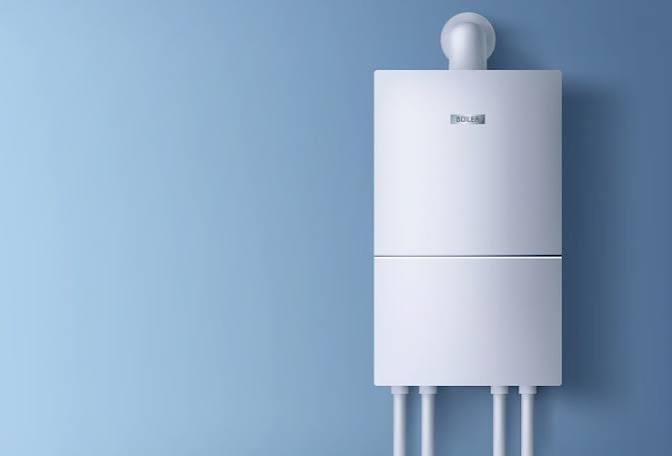
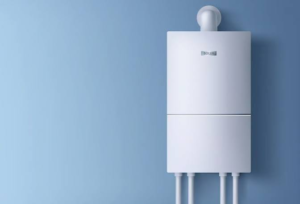
Your boiler plays an essential role in keeping your home warm and providing hot water throughout the year. Like any other major household appliance, it needs regular attention to remain safe, efficient, and reliable. AB Plumbing and Heating understands that homeowners often have questions about how frequently a boiler should be serviced, what a service includes, and what signs indicate that professional attention may be needed.
A boiler may continue working even when it is overdue for a service, but that does not necessarily mean it is operating at its best. Small problems can develop gradually and may affect efficiency, increase energy consumption, or eventually lead to an unexpected breakdown. Regular servicing provides an opportunity to identify potential issues before they become more disruptive or expensive.
For most homeowners, boiler servicing should be treated as part of routine home maintenance rather than something to arrange only when a problem occurs. Understanding the recommended service frequency can help you plan ahead and keep your heating system working effectively.
How Often Should You Service Your Boiler?
The general recommendation for most household boilers is to have them professionally serviced once every year. An annual service provides an opportunity for a qualified heating professional to inspect the appliance, check its operation, and identify potential problems.
The ideal timing can depend on the boiler’s age, condition, usage, and manufacturer recommendations. Homes that rely heavily on their heating system may benefit from particularly consistent maintenance.
An annual boiler service can help:
Identify developing problems: Small faults may be discovered before they become major breakdowns.
Check safe operation: A professional can inspect important components and verify that the boiler is operating correctly.
Maintain efficiency: A properly maintained boiler can operate more effectively.
Reduce unexpected breakdowns: Regular inspections may help identify worn or failing components.
Support longer equipment life: Routine maintenance can help keep components in good working condition.
Even if your boiler appears to be working normally, annual servicing remains an important part of responsible maintenance.
Why Annual Boiler Servicing Matters
A boiler is a complex appliance that combines heat, water, fuel, and mechanical components. Regular servicing helps ensure that these components continue to operate as intended.
Over time, boilers can accumulate dirt, develop worn components, experience pressure problems, or suffer from reduced efficiency. Some issues may not be obvious to a homeowner until the boiler stops working properly.
A professional service provides an opportunity to inspect the system rather than simply reacting when something goes wrong. This proactive approach can be particularly useful before the colder months, when heating systems are likely to be used more frequently.
Annual servicing can also provide peace of mind. Knowing that your heating appliance has been professionally inspected can make it easier to identify problems early and plan necessary repairs.
What Happens During a Boiler Service?
Understanding what happens during a boiler service can help homeowners recognise the value of regular maintenance. A professional service is more than simply looking at the outside of the appliance.
The exact procedure varies depending on the boiler type and manufacturer, but a service may include inspection and testing of important components.
A heating professional may check:
The boiler’s general condition
Burner operation
Heat exchanger condition
Flue and ventilation
Safety controls
Pressure levels
Electrical connections
Controls and thermostats
Signs of corrosion or leaks
Overall heating performance
Where appropriate, the engineer may clean components and make adjustments according to manufacturer requirements.
If a fault is identified, the homeowner can then discuss repair options before the issue becomes more serious.
Boiler Installation and Its Impact on Maintenance
If your current boiler is old, unreliable, or repeatedly requiring repairs, it may be worth considering whether servicing alone is still the most practical solution. Professional boiler installation can provide a modern alternative when an existing system has reached the end of its useful service life.
A new boiler can be selected according to the property’s heating and hot-water requirements. However, installation should always be handled by an appropriately qualified professional.
Homeowners considering a replacement should evaluate factors such as boiler efficiency, property size, hot-water demand, available space, system compatibility, and expected running costs.
Even after installing a new boiler, regular servicing remains important. A new appliance still contains components that require inspection and maintenance over time.
Signs Your Boiler May Need Attention
Annual servicing is important, but homeowners should not wait for the next scheduled appointment if the boiler starts showing unusual symptoms.
Some warning signs can indicate that professional attention is needed.
Look out for:
Unusual noises: Banging, whistling, humming, or rattling sounds may indicate an issue that requires investigation.
Frequent pressure changes: Repeated pressure loss can indicate an underlying problem.
Uneven heating: Radiators that remain cold or take unusually long to heat may indicate a system issue.
Unexpected shutdowns: A boiler that repeatedly switches off should be inspected.
Water leaks: Any visible leak around the boiler or heating system should be investigated promptly.
Unusual smells: Unusual odours should never be ignored, particularly when associated with a fuel-burning appliance.
Rising energy bills: A sudden increase in heating costs may sometimes indicate declining system efficiency.
These symptoms do not always mean the boiler needs replacing. A qualified professional can assess the system and determine the appropriate next step.
How Central Heating Maintenance Supports Boiler Performance
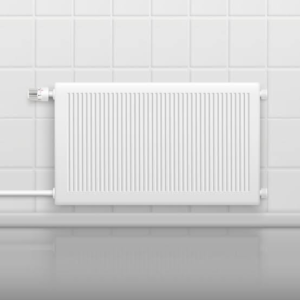
A boiler does not operate in isolation. It is part of a larger heating system that includes radiators, pipework, controls, pumps, valves, and other components.
This is why regular central heating services can be an important part of maintaining overall heating performance. A boiler may be operating correctly while another part of the system causes poor heating or inefficient operation.
A broader heating inspection can help identify issues such as:
Radiators that are not heating evenly
Air trapped in the system
Sludge or deposits
Faulty thermostatic radiator valves
Pressure-related issues
Circulation problems
Inefficient controls
Maintaining the entire heating system can help homeowners get better performance from their boiler and avoid focusing on the appliance alone.
The Best Time of Year to Service Your Boiler
Although a boiler can be serviced at different times of the year, many homeowners prefer to schedule maintenance before the heating season begins.
Arranging a service during warmer months can provide several practical advantages. Heating engineers may have greater availability, and you can address potential issues before you need the boiler regularly.
However, the most important factor is consistency. An annual service is more valuable when it is completed regularly rather than repeatedly postponed.
If you have recently purchased a property and do not know when the boiler was last serviced, consider arranging an inspection rather than assuming the previous homeowner maintained it.
Should You Service a New Boiler?
New boilers still require regular maintenance. Being new does not mean an appliance is immune to faults, installation issues, or performance problems.
Following the manufacturer’s servicing recommendations is important. Some manufacturers may also have specific requirements relating to warranties or maintenance.
Keep documentation from your boiler installation and subsequent servicing appointments. Records can help establish when maintenance was performed and what work was completed.
Regular servicing can also help you become familiar with the condition of the appliance as it ages. Identifying changes in performance early can make future maintenance easier to plan.
How Boiler Servicing Can Improve Efficiency
Boiler efficiency is an important consideration for homeowners because heating can represent a significant portion of household energy use.
A boiler that is not operating correctly may require more energy to deliver the same level of heating. Problems such as dirty components, incorrect settings, poor circulation, or system issues can affect performance.
During a service, a qualified professional can assess the boiler and identify issues that may be affecting its operation.
Homeowners can also support efficiency by using appropriate heating controls. Programmable thermostats, smart controls, and properly functioning radiator valves can help manage heating according to household needs.
However, servicing should not be viewed as a guarantee of lower energy bills. Household usage, insulation, weather, property size, energy prices, and boiler condition all influence heating costs.
Boiler Service vs. Boiler Repair
It is important to understand the difference between routine servicing and repair work. A service is primarily preventative and focuses on checking the appliance and identifying potential issues.
A repair, on the other hand, is required when a fault has already developed.
For example, a boiler service may identify a worn component that should be replaced. If the boiler has already stopped working because that component failed, the appointment may involve repair rather than routine servicing.
Regular servicing does not eliminate the possibility of breakdowns, but it can provide opportunities to identify some developing issues earlier.
How Boiler Age Affects Servicing
The age of your boiler can influence how closely it should be monitored. Older boilers may contain components that have experienced more wear and may be more likely to require repairs.
If an older boiler continues to operate reliably, regular servicing can help assess its condition. However, repeated breakdowns or increasingly expensive repairs may indicate that replacement should be considered.
Homeowners should compare the cost of continued repairs with the potential benefits of upgrading to a newer system.
A professional assessment can help determine whether maintaining the existing boiler or planning a replacement is more appropriate.
Boiler Maintenance Between Professional Services
Professional servicing is essential, but homeowners can also take simple steps to monitor their heating system between appointments.
Keep an eye on the boiler’s pressure gauge and become familiar with its normal operating range. Check for visible leaks and pay attention to unusual noises or changes in heating performance.
You can also keep the area around the boiler clear and avoid storing items where they could interfere with access or ventilation.
Do not attempt to dismantle or repair the boiler yourself. Gas and heating appliances should be assessed and repaired by appropriately qualified professionals.
Simple observation combined with professional servicing can help you identify changes before they become major problems.
What Happens If You Skip Boiler Servicing?
Skipping one service does not necessarily mean your boiler will immediately fail, but repeatedly missing maintenance can increase the risk of undetected problems.
Without regular inspections, developing faults may remain unnoticed until they affect performance or cause a breakdown.
Potential consequences can include:
Unexpected breakdowns: A problem may become apparent at an inconvenient time.
Reduced efficiency: The system may not operate as effectively as it should.
Higher repair costs: Small problems can sometimes develop into more complicated faults.
Reduced reliability: An aging or poorly maintained boiler may become less dependable.
Missed warning signs: Regular inspections provide opportunities to identify developing issues.
Routine maintenance is therefore best viewed as an investment in reliability rather than an unnecessary expense.
How to Keep a Boiler Servicing Schedule
Creating a simple maintenance schedule can make it easier to remember when your next service is due. Choose a consistent month each year and keep your service records in one place.
You can also set a calendar reminder several weeks before the preferred service date. This gives you enough time to arrange an appointment and address any problems that may arise.
If you are purchasing a home, ask for information about the boiler’s age, installation date, previous servicing, and repair history. If these records are unavailable, arranging a professional inspection can give you a clearer starting point.
Choosing a Qualified Heating Professional
Choosing the right professional is just as important as scheduling regular servicing. Boiler work involves safety-critical components, so homeowners should use appropriately qualified professionals for inspection, servicing, installation, and repair.
Before booking a service, ask about relevant qualifications, experience with your boiler type, services provided, and documentation supplied after the appointment.
A professional should also explain any problems they identify and provide clear information about recommended repairs or maintenance.
Do not select a provider based solely on the cheapest advertised price. Experience, qualifications, communication, and quality of work are important considerations when dealing with heating equipment.
Conclusion
Regular boiler servicing is one of the simplest ways homeowners can support the safety, reliability, and performance of their heating system. For most households, arranging a professional service once a year provides an opportunity to identify developing issues, check important components, and keep the boiler operating as effectively as possible. Homeowners should also pay attention to warning signs and arrange professional assistance when unusual noises, pressure changes, leaks, or heating problems occur. AB Plumbing and Heating can help homeowners maintain their heating systems with professional servicing, repair, and installation support tailored to their property’s needs. If your boiler is due for its annual service or you are experiencing heating problems, contact us to discuss your requirements and arrange professional assistance.
Frequently Asked Questions
How often should a boiler be serviced?
For most homeowners, a boiler should be professionally serviced once a year. Regular annual servicing allows a qualified professional to inspect the appliance, check its operation, and identify potential problems.
Is boiler servicing necessary if my boiler is working normally?
Yes. A boiler can appear to work normally while developing issues that are not immediately noticeable. Regular servicing provides an opportunity to inspect important components and identify potential problems before they become more serious.
When is the best time to service a boiler?
Many homeowners choose to service their boiler before the main heating season begins. However, the most important factor is maintaining a consistent annual servicing schedule rather than focusing exclusively on a particular month.
What are the signs that a boiler needs servicing or repair?
Warning signs can include unusual noises, frequent pressure changes, unexpected shutdowns, visible leaks, unusual smells, uneven heating, and changes in energy consumption. These symptoms should be assessed by a qualified heating professional.
Does a new boiler need annual servicing?
Yes. New boilers also benefit from regular professional servicing. Following the manufacturer's maintenance recommendations can help identify issues, maintain performance, and support the long-term reliability of the appliance.
Latest Post